

Con l'interesse sempre crescente del mondo occidentale per tutto ciò che riguarda il matcha, abbiamo pensato fosse una buona idea dissipare alcune delle idee sbagliate comuni che molte persone hanno...
Con l'interesse sempre crescente del mondo occidentale per tutto ciò che riguarda il matcha, abbiamo pensato fosse una buona idea dissipare alcune delle convinzioni sbagliate comuni che molte persone hanno su questo prodotto incredibilmente benefico. Quindi, per aiutare i nostri colleghi amanti dei fiammiferi, ecco cinque dei miti e delle mezze verità più comuni che sentiamo sempre!
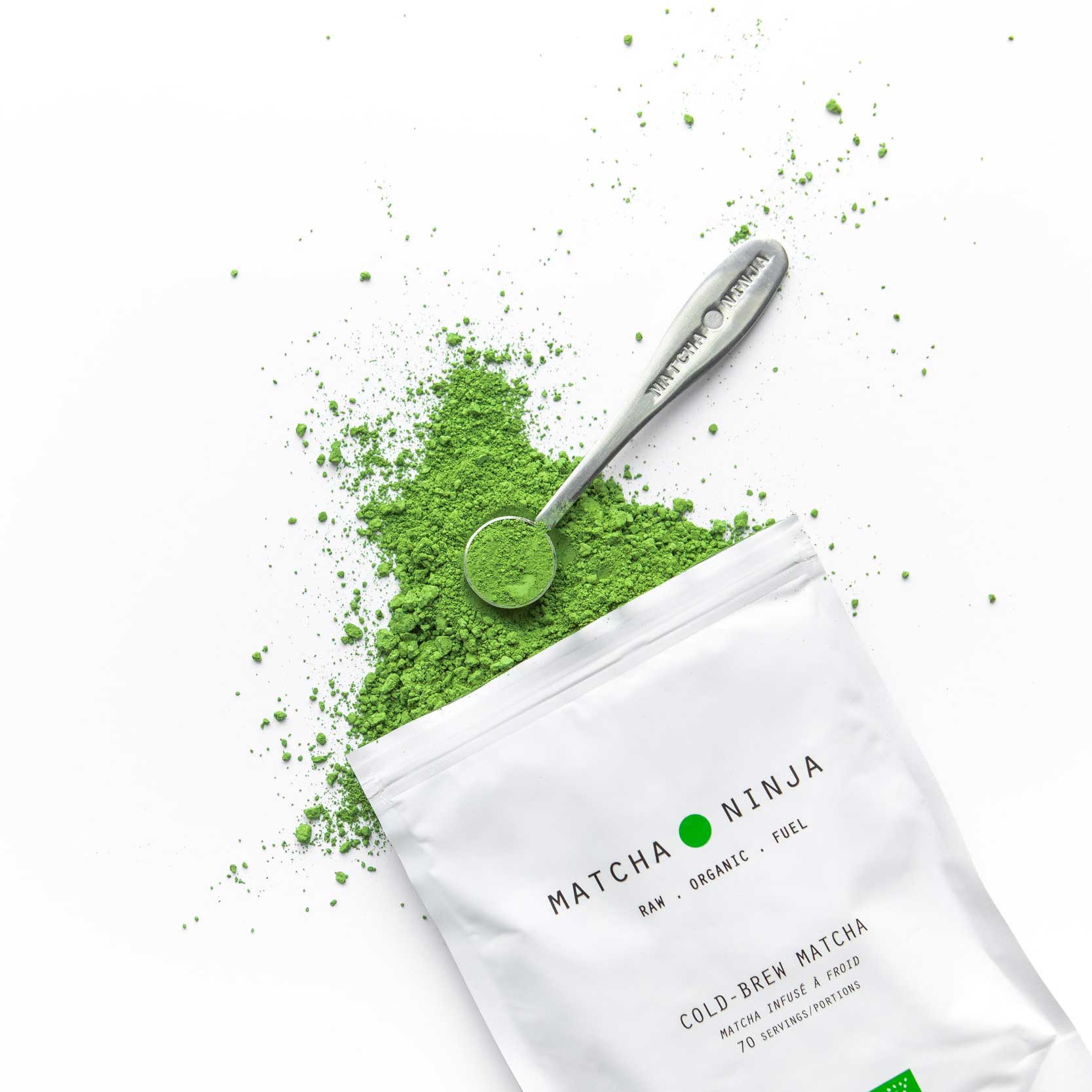
1. Più verde è meglio
Una delle prime cose che sentiamo quando scopriamo il matcha è la regola del colore. La regola dice che puoi distinguere un buon matcha da un cattivo matcha dal suo colore. Più il matcha è verde, migliore è la qualità. C'è un fondo di verità in questo, tuttavia, una rappresentazione più accurata della regola sarebbe "più verde è il matcha, migliore è la qualità, SE stai confrontando il matcha BIOLOGICO". La parola chiave è "Organico". Vedi, quando il matcha non è biologico, il produttore è libero di utilizzare fertilizzanti, pesticidi ed erbicidi che possono aiutare a produrre un output più verde aumentando artificialmente la produzione di clorofilla nella pianta. Sembra fantastico, ma il problema con il Matcha è che, essendo cresciuto all'ombra per un mese e non può contare sul sole per l'energia, è costretto ad assorbire tutti i nutrienti (e inquinanti) dell'ambiente. Questo, unito al fatto che stai consumando tutta la foglia, significa che il tuo matcha deve essere il più puro possibile. Se il colore del tuo matcha è l'unica regola che segui, e finisci per confrontare il colore del matcha biologico con quello del matcha non biologico, stai confrontando mele e arance (e probabilmente contribuendo a problemi di salute futuri). Non fare il ciarlatano di mele/arancia....
2. Se non è giapponese, non è buono Matcha
È come dire che se la tua auto non è tedesca, è un fallimento. Certo, la Germania ha la reputazione di produrre auto ben fatte, proprio come il Giappone ha la reputazione per il matcha, ma significa forse che se non è giapponese non è di altissima qualità? La risposta a questa domanda è un NO definitivo e sonoro. Ci sono molti fattori che determinano se il matcha è di alta qualità, e la sua origine non è uno di questi. In realtà, il matcha non ha nemmeno avuto origine in Giappone, è stato scoperto e ritualizzato per la prima volta in Cina, mentre i giapponesi hanno dovuto aspettare oltre 200 anni perché la mania del matcha raggiungesse le loro coste. Quindi, se sei serio nel consumare solo il matcha più pulito e puro, non cercare "Made in Japan", è irrilevante. Invece, chiedi all'azienda per cosa viene testato il matcha e se riesci a vedere una copia dei loro risultati. Poiché il matcha attinge molti nutrienti dall'ambiente circostante, assorbe anche metalli pesanti, sostanze chimiche e radiazioni come una spugna. Il miglior matcha sarà 100% organico, testato per metalli pesanti e privo di radiazioni.
3. Il matcha contiene 137 volte più antiossidanti rispetto al tè verde normale
Dobbiamo ammettere che questa cosa ci dà un po' fastidio. Certo, è un ottimo punto di forza per il matcha - 137 volte è un numero sexy - ma da dove viene questa cifra? Dopo un po' di ricerche scoprirai rapidamente l'origine di questa affermazione. Lo studio a cui fanno riferimento aziende di matcha, blogger e giornalisti sanitari è uno studio del 2003 dell'Università del Colorado intitolato "Determinazione delle catechine nel tè verde matcha tramite cromatografia elettrocinetica micellare". Lo studio in sé non è fuorviante, ma la selezione dei risultati sicuramente lo è. In effetti, non è nemmeno necessario leggere oltre il breve abstract dello studio che afferma: "Utilizzando un confronto con una catechina/g di foglie secche, i risultati indicano che la concentrazione di gallato di epigallocatechina (EGCG) disponibile dal matcha è 137 volte superiore alla quantità di EGCG disponibile dal tè verde China Green Tips,...." Lo studio afferma esplicitamente che il confronto era tra matcha e Green Tips Green Tea, un marchio commerciale ad alto volume venduto da Starbucks. Afferma inoltre esplicitamente che ".... e almeno tre volte superiore al valore più alto della letteratura per altri tè verdi.". Ecco quindi lo stesso studio usato per fare l'affermazione (in)famigerata 137, è anche lo stesso studio che chiarisce la cifra reale come ".... almeno tre volte più alto..." . Non suona impressionante come 137 però.

4. Bere matcha di notte ti terrà sveglio
Il matcha contiene caffeina. La caffeina ci tiene svegli. Ha senso, e ci viene chiesto continuamente della caffeina nel nostro matcha. Analizziamo meglio; una porzione da 1 grammo di matcha contiene circa un quarto della caffeina di un piccolo bicchierino di caffè espresso. Ci sono persone che riescono a bere un piccolo caffè espresso la sera senza problemi a dormire. Questo significa che potrebbero bere 4 tazze di matcha e avere lo stesso effetto (ignoriamo il fatto che resterebbero svegli a fare pipì tutta la notte). Se sei una persona che non può prendere un caffè la sera per paura di non riuscire a dormire, come faresti a prendere mezza tazza? Che ne dici di 1/4 di tazza? C'è un altro fattore da considerare, ed è uno che gli amatori di matcha di tutto il mondo conoscono. È la calma che si ottiene dai alti livelli di L-teanina nel matcha. La L-teanina agisce con la caffeina per assicurarsi che tu non riceva un picco di energia, ma piuttosto una piacevole energia calmante che ha aiutato i buddisti Zen a meditare per oltre 1000 anni. Prova a meditare sul caffè! Dai, aspettiamo....
5. Dovresti comprare solo Matcha di
Questo è qualcosa che potresti sentire da aziende che vendono solo matcha di grado cerimoniale (come noi). Certo, se bevi matcha per il sapore e i benefici per la salute, non puoi trovare meglio di un livello cerimoniale. Ma c'è un motivo se il matcha esiste anche nelle versioni più economiche di Everyday e Cooking, e non è solo per far risparmiare i caffè vendendo matcha a hipster e yogi. Il principale vantaggio delle qualità più economiche del matcha è quando cucini a fuoco alto (ad esempio per la cottura). Usare un fuoco alto ucciderà molti nutrienti nel matcha. Avrà comunque il sapore di matcha, ma non trarresti beneficio dal contenuto nutrizionale più alto di grado cerimoniale. Quindi, se ti interessa risparmiare, resta su matcha di qualità inferiore quando cucini a fuoco alto.
Scatola di 10 bustine monoporzioni di Matcha Ninja – KeBacan.Shop


0 comments