

La pianta del tè verde, chiamata Camilia sinsnus, è come una spugna e assorbe fortemente tutto ciò che si trova nel suo ambiente. Questo, unito al fatto che con il matcha si consuma...

La pianta del tè verde, chiamata Camassia sinsnus, è come una spugna e assorbe moltissimo tutto ciò che si trova nell'ambiente circostante. Questo, unito al fatto che con il matcha si consuma l'intera foglia, rende fondamentale bere un matcha di alta qualità. Quindi, come si fa a sapere se si sta consumando un matcha della migliore qualità?
Ecco 5 modi per capirlo:
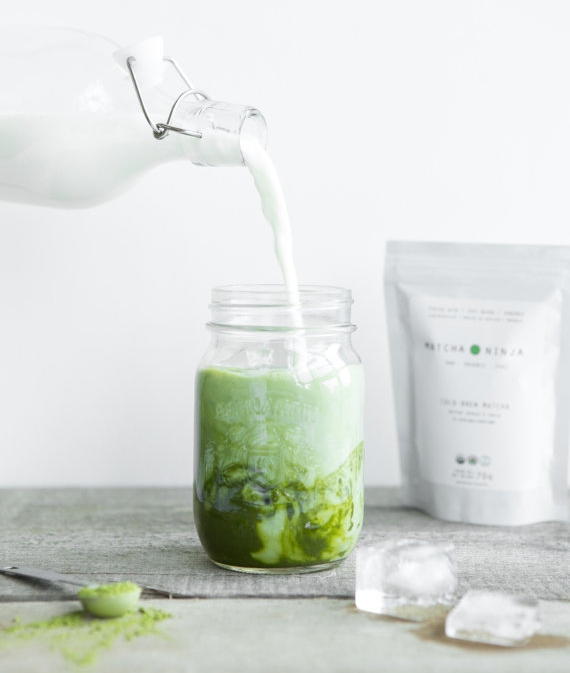
1. Solubile
Questo significa che sai che i gambi e le nervature sono stati rimossi dalla foglia di tè e che stai consumando un prodotto di altissima qualità. Infatti, le particelle di matcha dovrebbero avere una dimensione di circa 5 micron, simile al borotalco. Confrontalo con un capello umano, che ha uno spessore di circa 75 micron, e capirai quanto sia fine il matcha di buona qualità. Dovrebbe essere solubile sia in acqua fredda che calda e dovrebbe sciogliersi senza grumi in una bottiglia d'acqua dopo averla agitata per circa 15 secondi. Quando il matcha è così fine, sai che i gambi e le nervature sono stati rimossi e che stai bevendo la parte migliore della foglia di tè verde. Il matcha di qualità inferiore deve essere sbattuto in una ciotola per eliminare i grumi prima di poter essere consumato, e questo impedisce alla maggior parte delle persone di gustare il matcha anche fuori casa. Nessuno vuole sbattere il matcha in palestra o al lavoro!

2. Gusto
Il tè verde sfuso ha un sapore amaro. Lo stesso vale per la maggior parte dei prodotti a base di matcha, molti dei quali contengono zuccheri aggiunti o dolcificanti artificiali per mascherarne l'amaro. Il matcha di migliore qualità ha un sapore delicato, dolce e non amaro, senza bisogno di additivi per mascherarlo. Ha tutto il sapore del tè verde senza gli aspetti negativi. Piacerà anche ai bambini!
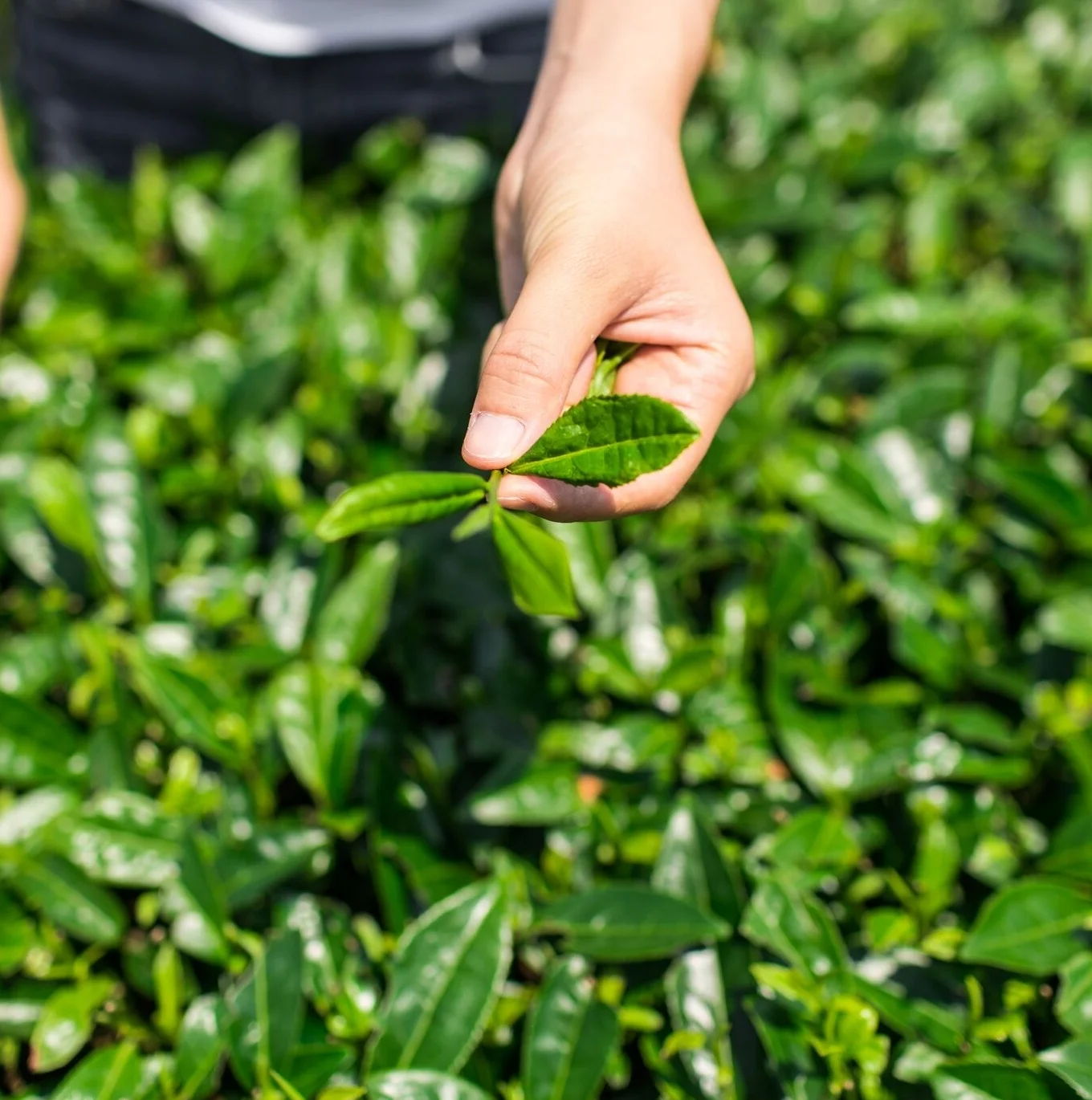
3° grado
È facile distinguere un buon matcha da uno scadente una volta aperta la confezione. Tuttavia, a meno che non si abbia la possibilità di assaggiarlo prima dell'acquisto, probabilmente ci si dovrà basare solo sulle informazioni riportate sulla confezione. In questo caso, è sempre consigliabile scegliere il matcha biologico di grado "cerimoniale". Esistono gradi inferiori di matcha, come quello culinario, che sono molto più economici e grumosi. Questi sono ottimi per risparmiare quando si cucina in grandi quantità, ma il matcha di grado cerimoniale avrà sempre un sapore migliore. Se sulla confezione non è indicato il grado, si tratta molto probabilmente di un grado inferiore e dovrebbe costare molto meno.
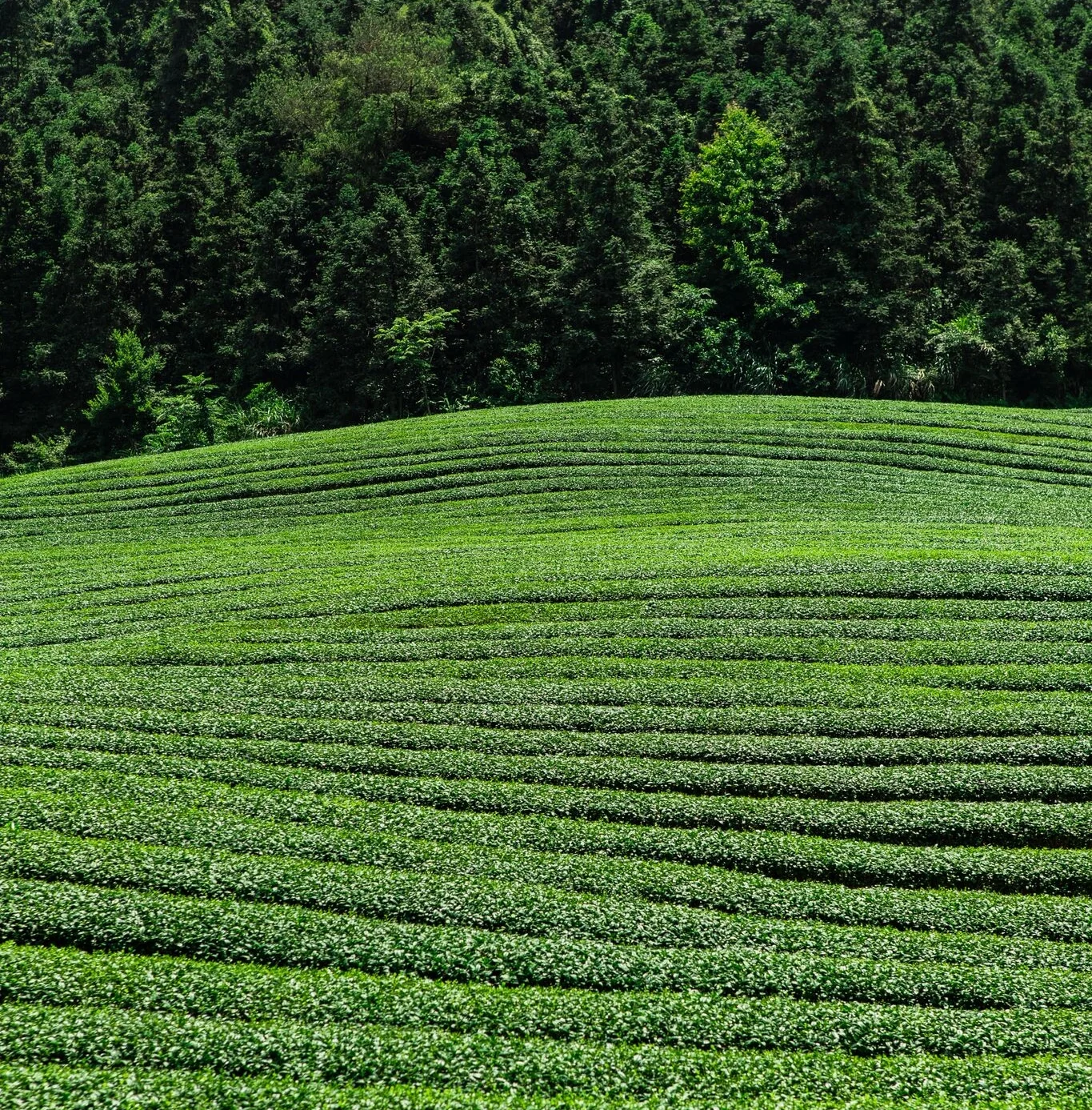
4. Approvvigionamento
Il matcha migliore non ha bisogno di additivi. È prodotto con foglie di tencha giovani, naturalmente più dolci e dal delicato sapore fruttato. Le foglie di tencha devono essere coltivate all'ombra per aumentarne il contenuto di clorofilla e antiossidanti, prima di essere sottoposte a un rigoroso processo di raffinazione per garantire la produzione di un matcha di altissima qualità e dal gusto eccezionale. Deve essere biologico al 100% e testato per la presenza di metalli pesanti e radiazioni.
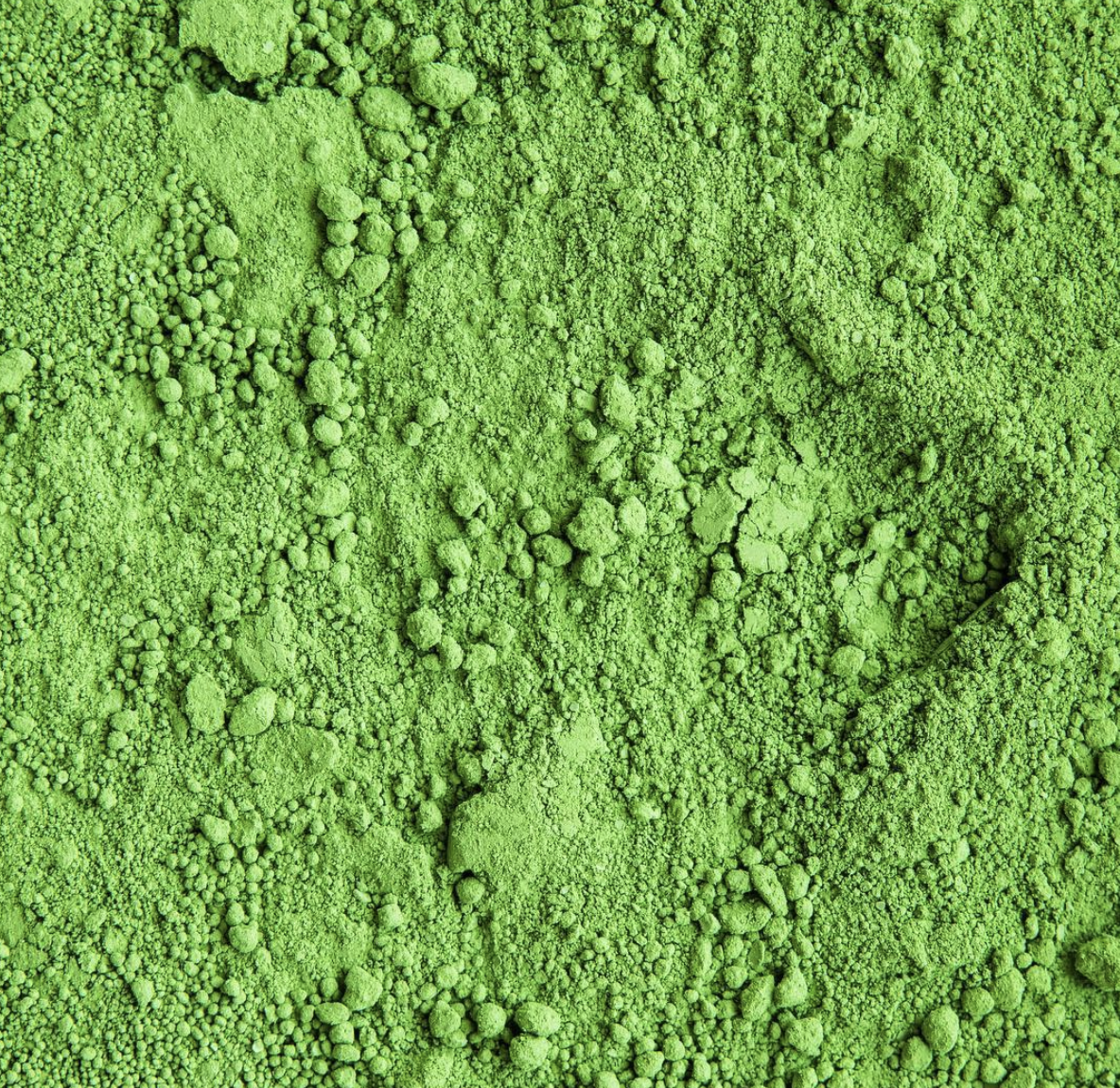
5. Colore
Le polveri di matcha completamente biologiche certificate spesso non presentano il verde brillante che può avere un matcha non biologico di alta qualità, e sono spesso leggermente più opache. Ciò è dovuto ai fertilizzanti utilizzati durante la coltivazione all'ombra delle foglie di tè. Poiché il matcha non ricava la sua energia dal sole, viene somministrato un fertilizzante supplementare per produrre gli elevati livelli di clorofilla, che ne esaltano la naturale dolcezza e gli conferiscono il suo incredibile colore verde giada. I fertilizzanti biologici certificati non forniscono la stessa quantità di energia e nutrienti che un fertilizzante non biologico può fornire.


0 comments